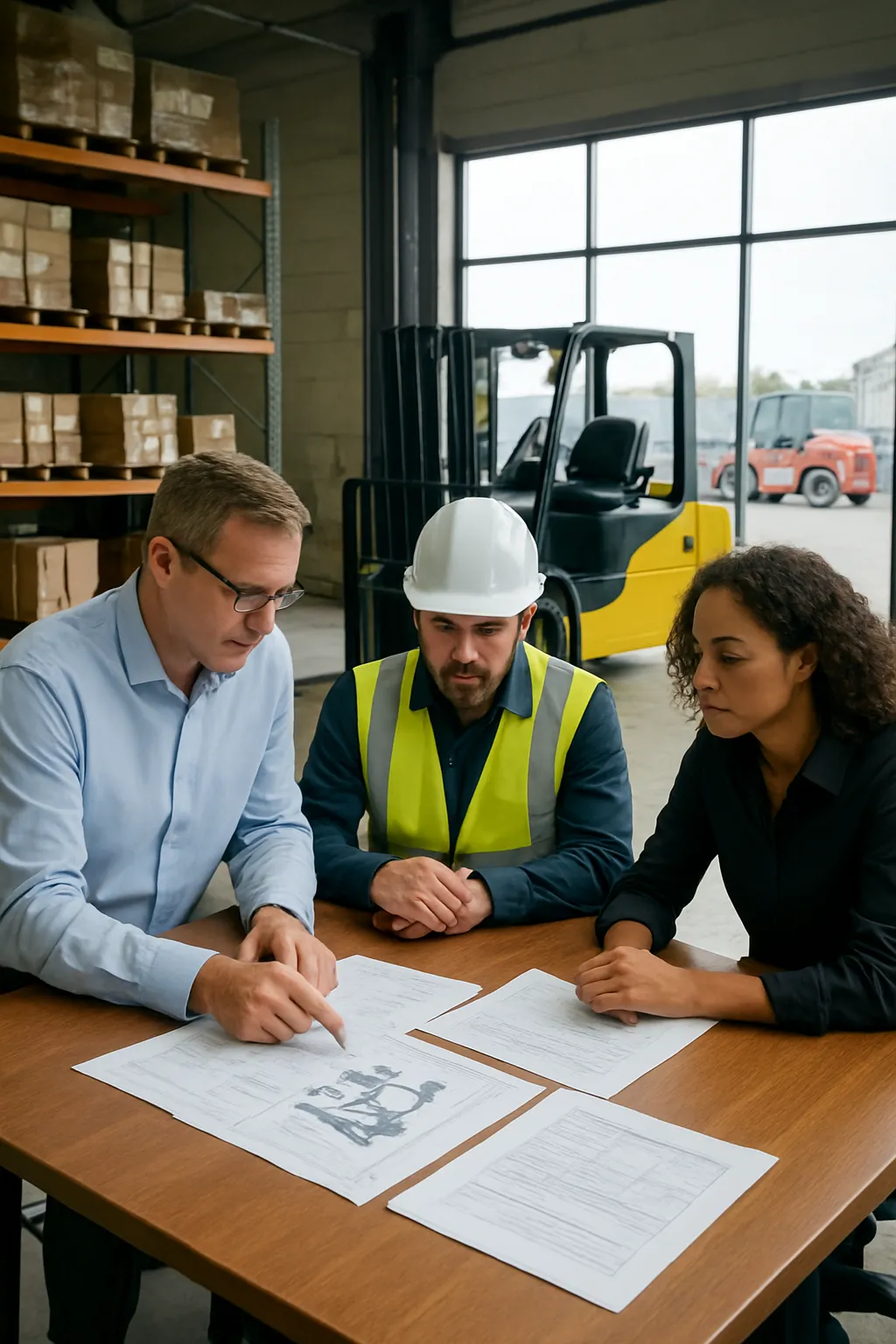
Forklift operator training is not a one-time exercise or a universal certification that applies to every type of equipment. While many operators become proficient on standard counterbalance forklifts, that experience alone does not automatically qualify them to operate specialized machines such as reach trucks or rough terrain forklifts. Every forklift class has unique operating characteristics, hazards, and workplace applications that require additional instruction and practical evaluation.
For employers, providing site-specific training is more than a best practice—it is a critical part of maintaining a safe workplace. Evaluating operators on the exact equipment they will use helps reduce accidents, improve productivity, and ensure compliance with workplace safety requirements.
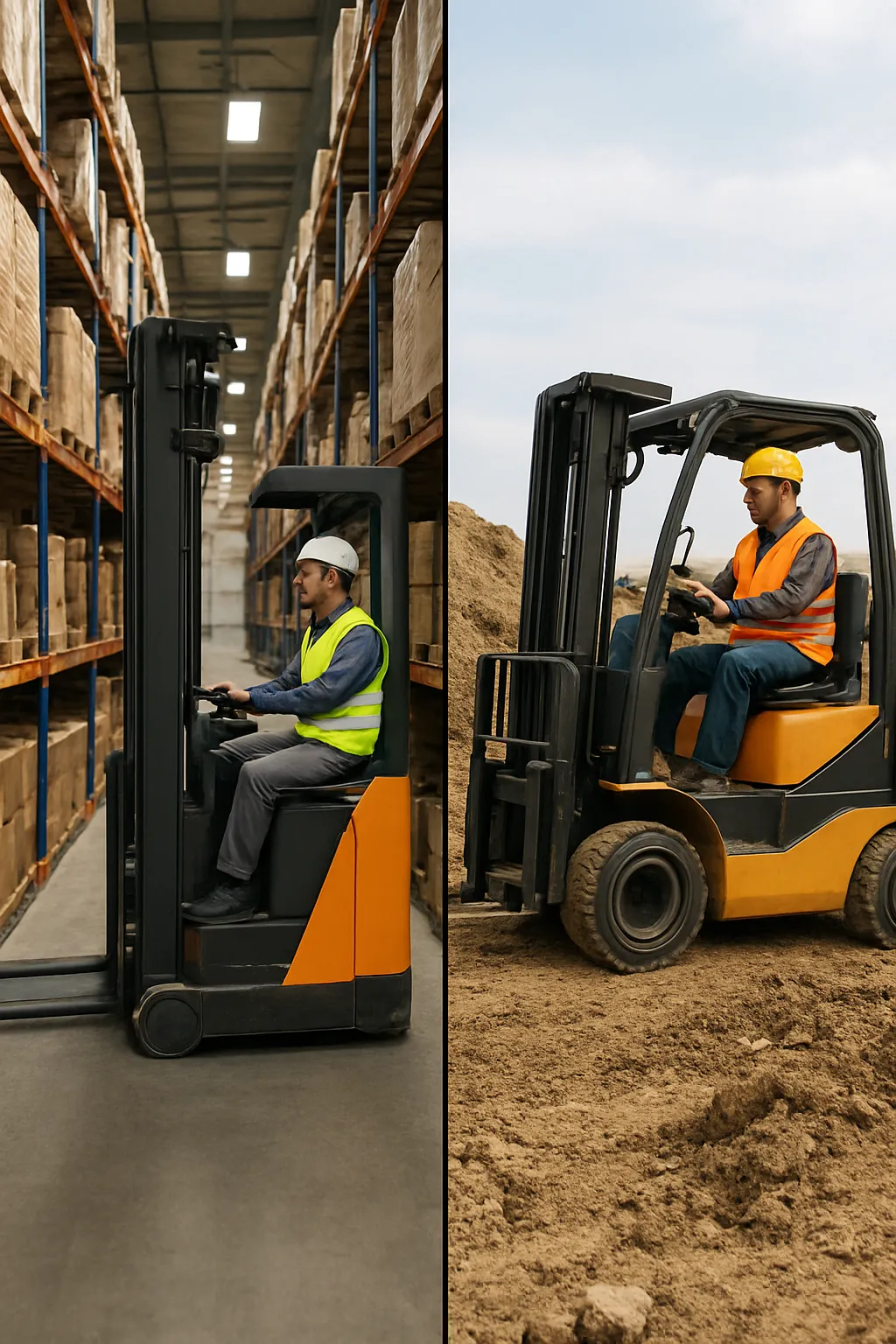
Modern workplaces rely on a wide variety of forklifts designed for specific tasks.
Examples include:
Although these machines all move materials, they perform differently and require different operating techniques.
An operator who performs safely in a warehouse may struggle when working on uneven construction terrain, while an experienced outdoor operator may need additional training before working in narrow warehouse aisles.
Safety regulations across North America place responsibility on employers—not equipment manufacturers—to ensure operators are properly trained.
This responsibility includes:
Training should reflect both the machine being used and the environment where it will operate.
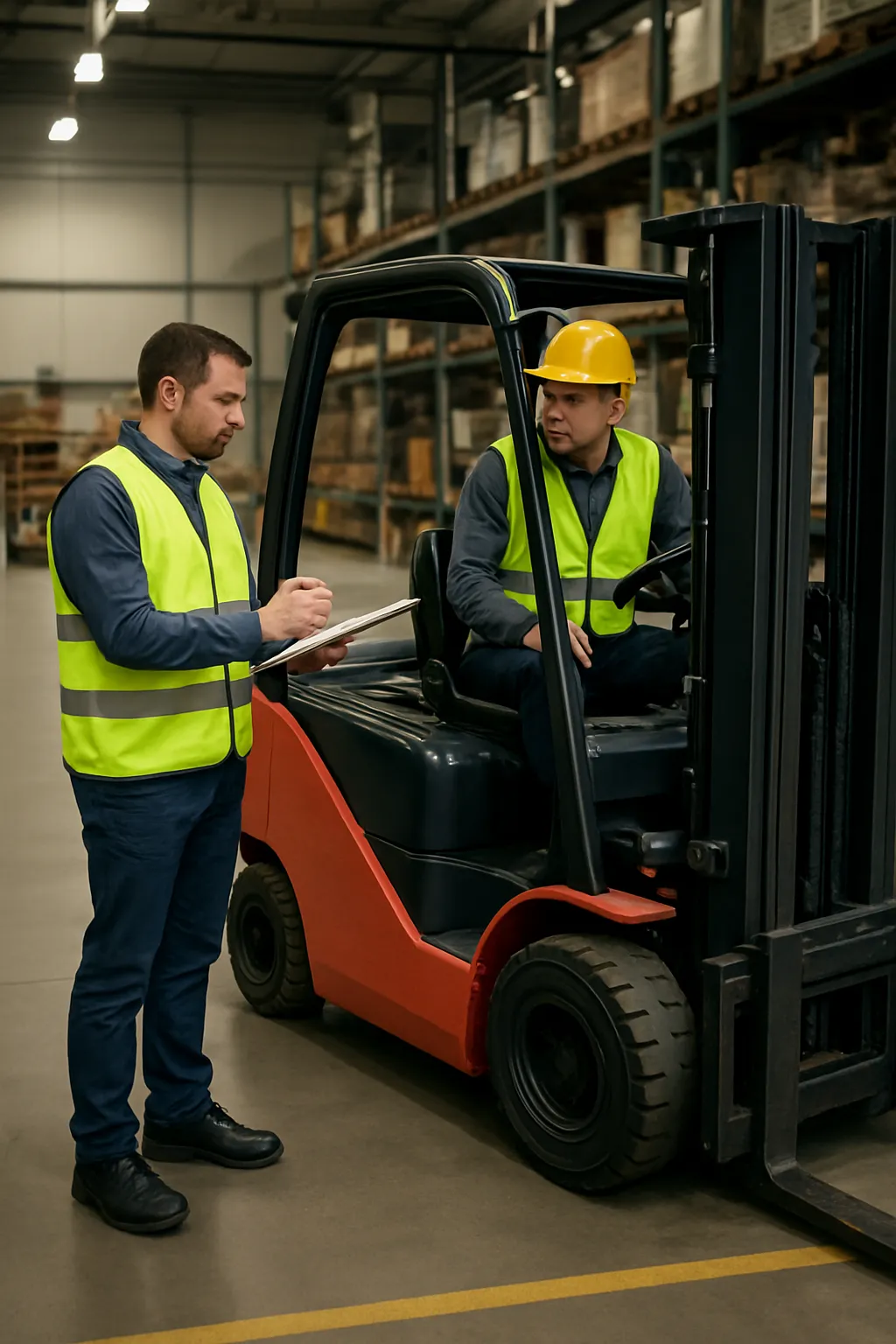
Reach trucks are designed for high-density warehouse storage where maximizing vertical space is essential.
They are commonly used in:
Unlike standard forklifts, reach trucks extend their forks forward to access pallets stored at significant heights.
Operators must develop skills in:
Small mistakes can result in damaged inventory or unstable loads several metres above the warehouse floor.
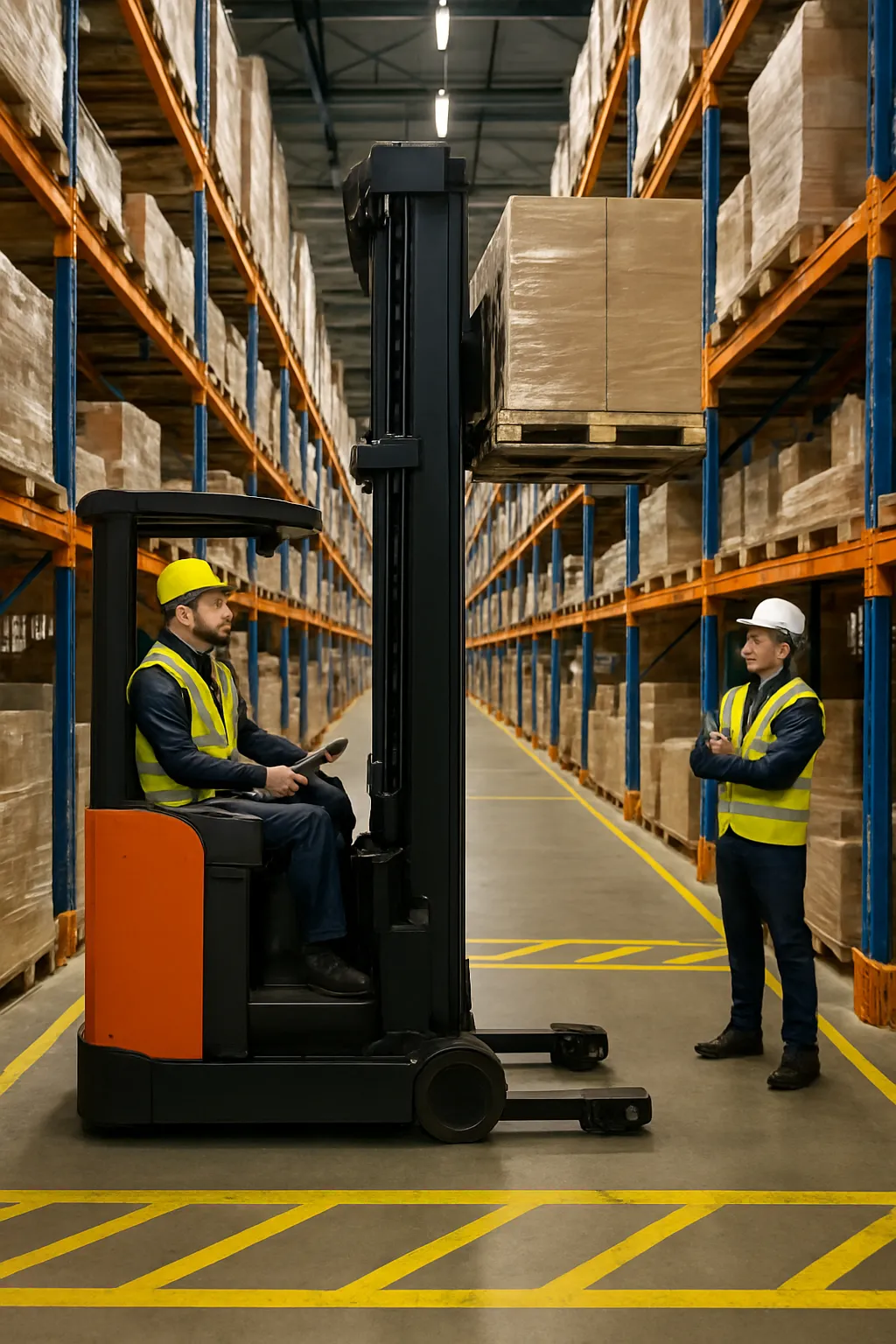
Warehouses with tall storage systems create hazards that differ significantly from outdoor operations.
Operators must remain aware of:
Businesses seeking additional information on warehouse equipment and safe material handling practices can explore Forklift Truck. The site provides guidance on forklift classes, warehouse applications, and equipment comparisons for Canadian operations.
Construction sites, lumber yards, farms, and industrial projects require equipment designed for challenging outdoor conditions.
Unlike warehouse forklifts, rough terrain machines feature:
These machines operate safely where traditional warehouse forklifts cannot.
Organizations working in outdoor environments can learn more about the Rough Terrain Forklift. Understanding its capabilities helps employers match equipment to demanding worksites while improving operator safety.
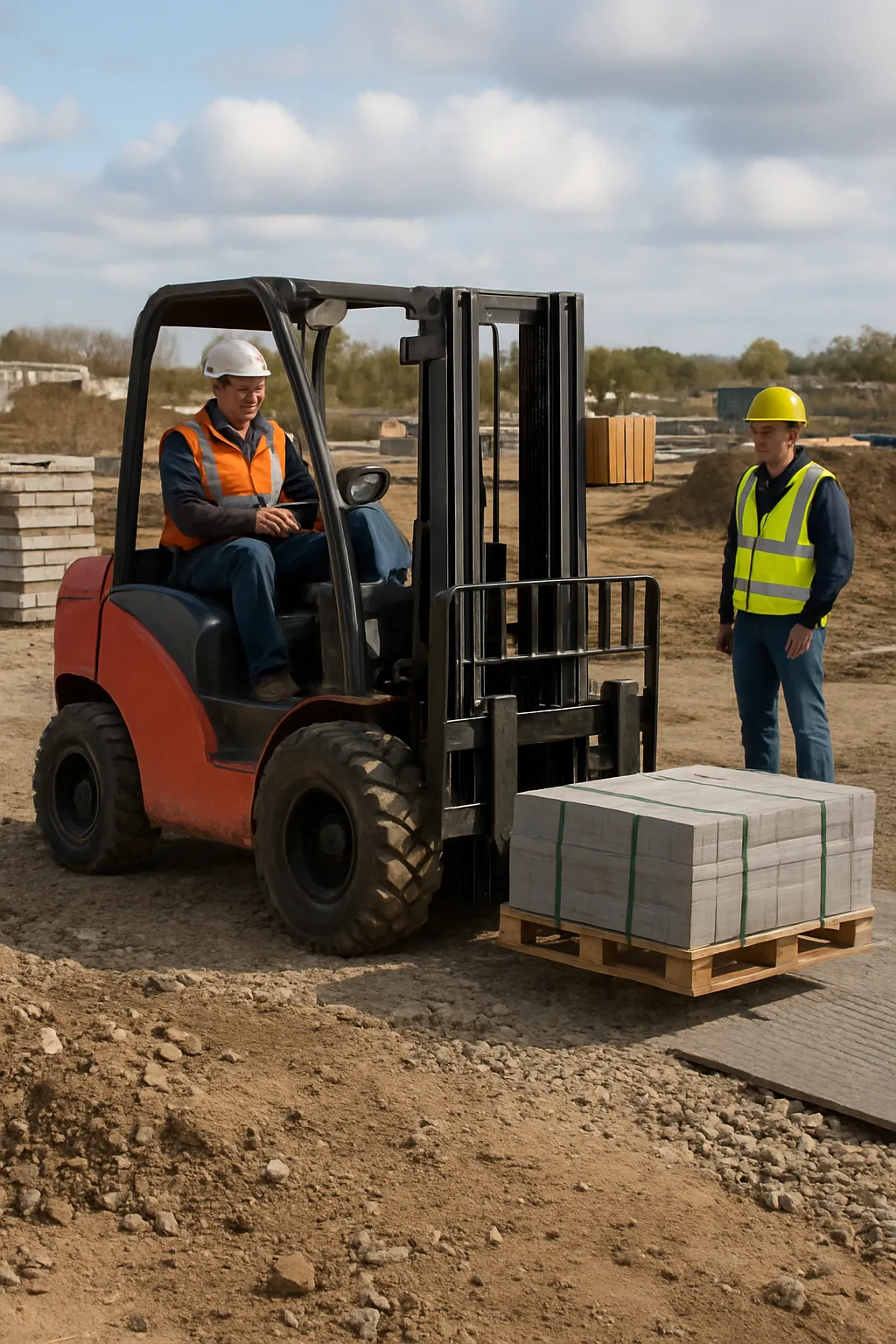
Outdoor environments introduce risks rarely encountered inside warehouses.
Operators may face:
Operating techniques must adapt to constantly changing site conditions.
Training should include practical instruction on maintaining stability while traveling over uneven terrain and handling oversized loads safely.
Although reach trucks and rough terrain forklifts both move materials, their operating techniques differ considerably.
Operators learn:
Operators focus on:
Using the wrong operating habits on either machine can significantly increase workplace risk.
Classroom instruction provides valuable knowledge, but practical evaluations determine whether operators can safely perform assigned tasks.
Evaluations should assess:
Employers should document each evaluation and maintain records for future reference.
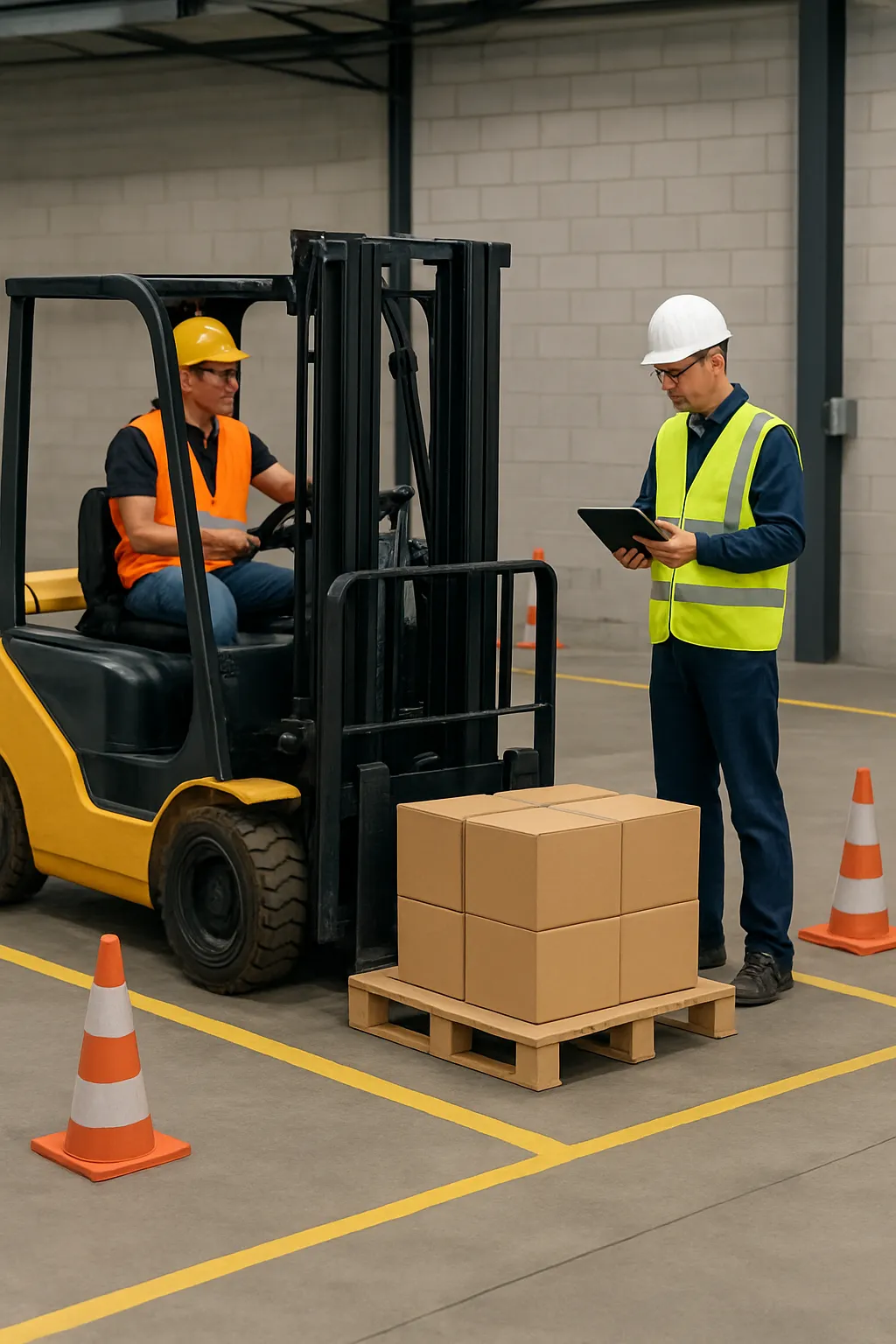
Training should always reflect the specific work environment.
Site-specific instruction prepares operators for the actual conditions they will encounter every day.
Operator skills should be reviewed periodically rather than assumed permanent.
Refresher training may become necessary when:
Continuous evaluation supports long-term workplace safety while maintaining operational efficiency.
Investing in equipment-specific training provides measurable advantages.
Organizations often experience:
Well-trained operators make better decisions while protecting both people and equipment.
Effective forklift safety begins with recognizing that not every machine operates the same way. Reach trucks and rough terrain forklifts are designed for very different environments, and each requires specialized knowledge, practical instruction, and workplace-specific evaluation. Employers who provide targeted training help create safer worksites while improving operational performance and reducing organizational risk.
By matching operator training to the equipment and environment, businesses build a stronger safety culture that supports compliance, protects employees, and maximizes the value of every forklift in the fleet.