
Reach trucks and forklifts do not always create the same operating pattern, storage interaction, or visibility issue. Employers who separate those differences clearly are in a better position to assign adult operators appropriately and document what was actually covered.
Use this article alongside the pages on training requirements, practical evaluation, and training records when the workplace needs a more complete picture.
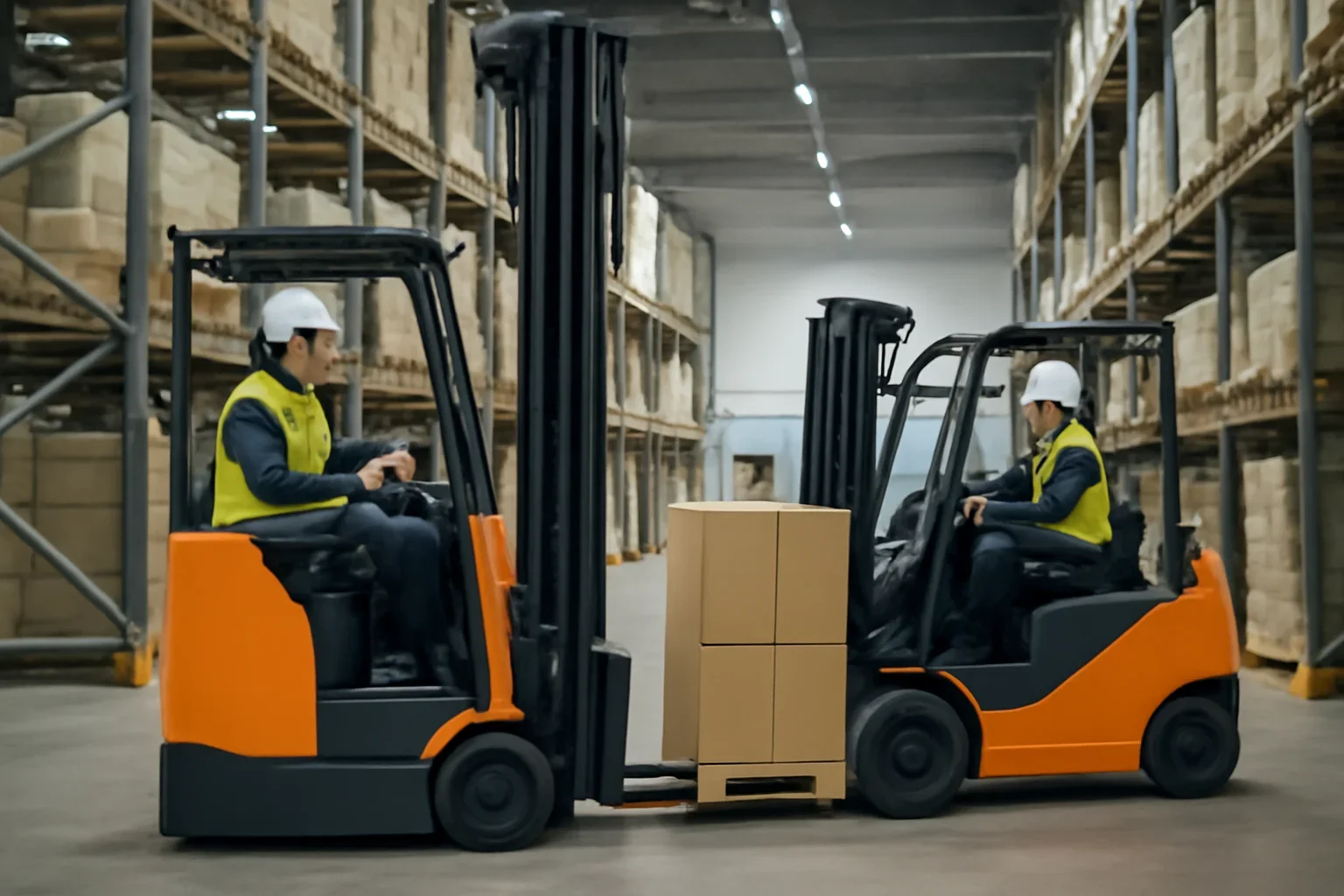

Aisle width, storage density, height, and maneuvering patterns can make reach truck work feel very different from other lift truck tasks.
Different equipment setups change what evaluators need to watch and what site-specific examples belong in the training conversation.
Records should make it easy to identify the equipment context involved rather than treating every truck as interchangeable.
The point is not label preference. It is making sure the employer’s process matches the real equipment and the real environment.
Tell us what equipment, site conditions, or documentation issue your team is working through and we will point you to the most relevant support page or article.