
As North American supply chains become increasingly integrated, many organizations now operate warehouses, manufacturing facilities, and distribution centres on both sides of the Canada–United States border. While moving goods across borders has become more efficient, managing forklift safety compliance has become more complex. Companies expanding into Canada often assume that OSHA regulations apply universally. In reality, Canada follows a different regulatory framework that emphasizes provincial occupational health and safety legislation alongside CSA (Canadian Standards Association) standards.
Understanding the differences between OSHA and CSA requirements is essential for protecting employees, reducing liability, and maintaining consistent safety practices across multiple facilities.
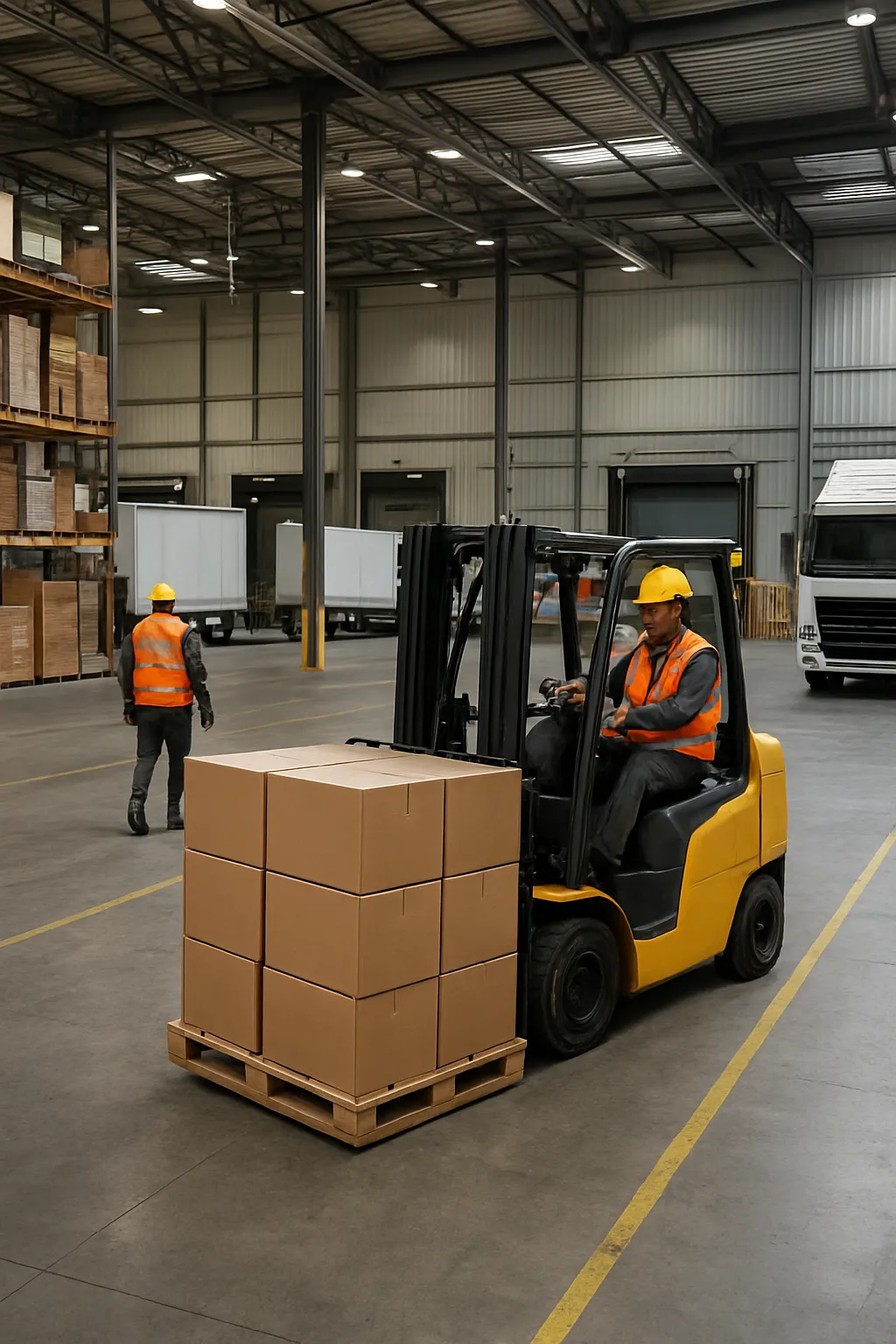
Forklifts remain one of the most widely used pieces of material handling equipment in warehouses, ports, manufacturing plants, and logistics centres. Improper operation can lead to serious injuries, equipment damage, and costly downtime.
For businesses operating in both countries, inconsistent training or documentation can create:
Developing a unified safety program while respecting local legal requirements helps organizations manage these risks effectively.
In the United States, forklift safety is primarily regulated by the Occupational Safety and Health Administration (OSHA).
OSHA requires employers to:
Rather than issuing operator "licenses," OSHA focuses on employer responsibility. Employers must verify that operators have received proper training and can safely operate the specific equipment used in their workplace.
Canada approaches forklift safety differently.
While workplace safety laws are enforced by each province or territory, CSA B335 serves as the nationally recognized best-practice standard for lift truck safety.
CSA B335 provides guidance covering:
Although CSA itself does not enforce regulations, provincial occupational health and safety authorities frequently reference CSA standards when developing workplace requirements.
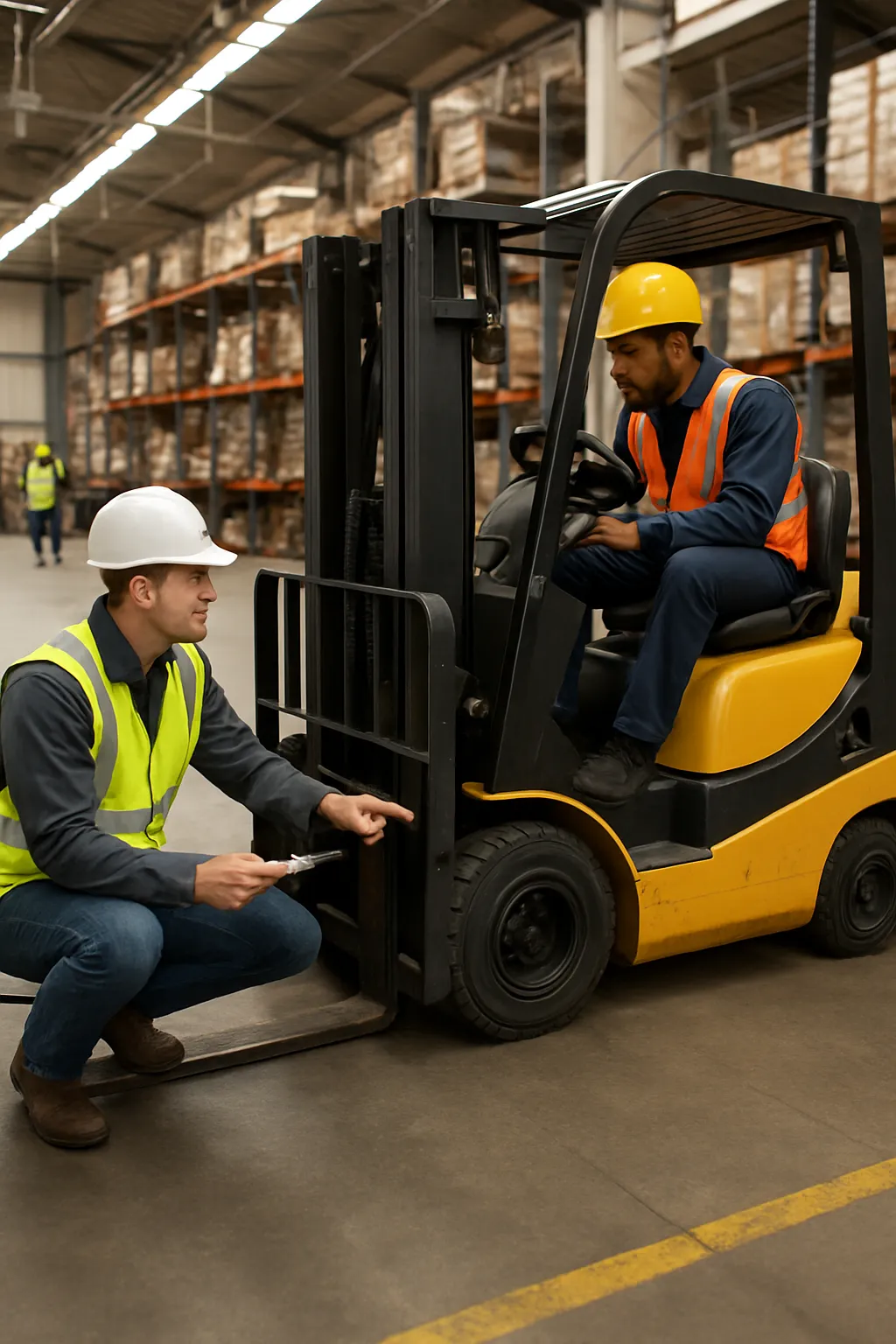
Unlike OSHA's single federal framework, Canada's regulatory environment varies by province.
Each province administers its own occupational health and safety legislation.
Examples include:
While the core safety principles remain similar, documentation, training expectations, and enforcement procedures may differ.
Businesses expanding into Canada should understand forklift certification, licensing, and operator requirements. Reviewing province-specific guidance helps employers ensure compliance with local workplace regulations before operations begin.
Although regulations differ, both systems share several important objectives.
Both emphasize:
Neither system treats forklift certification as a one-time event.
Continuous evaluation remains essential.
One of the biggest differences between the two systems involves documentation.
Employers should maintain records demonstrating:
Canadian employers often maintain documentation supporting:
Maintaining organized records helps demonstrate compliance during workplace inspections or insurance investigations.
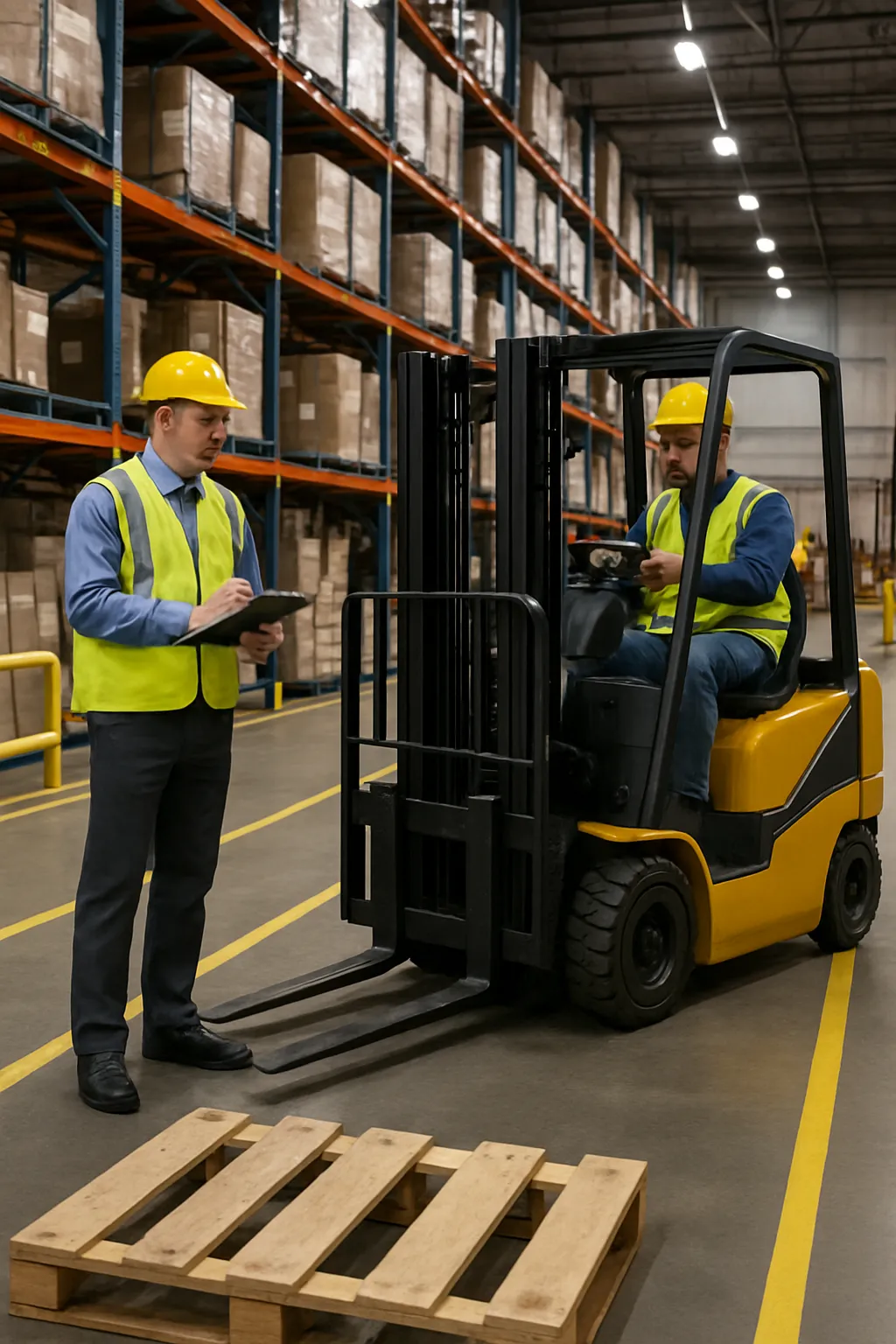
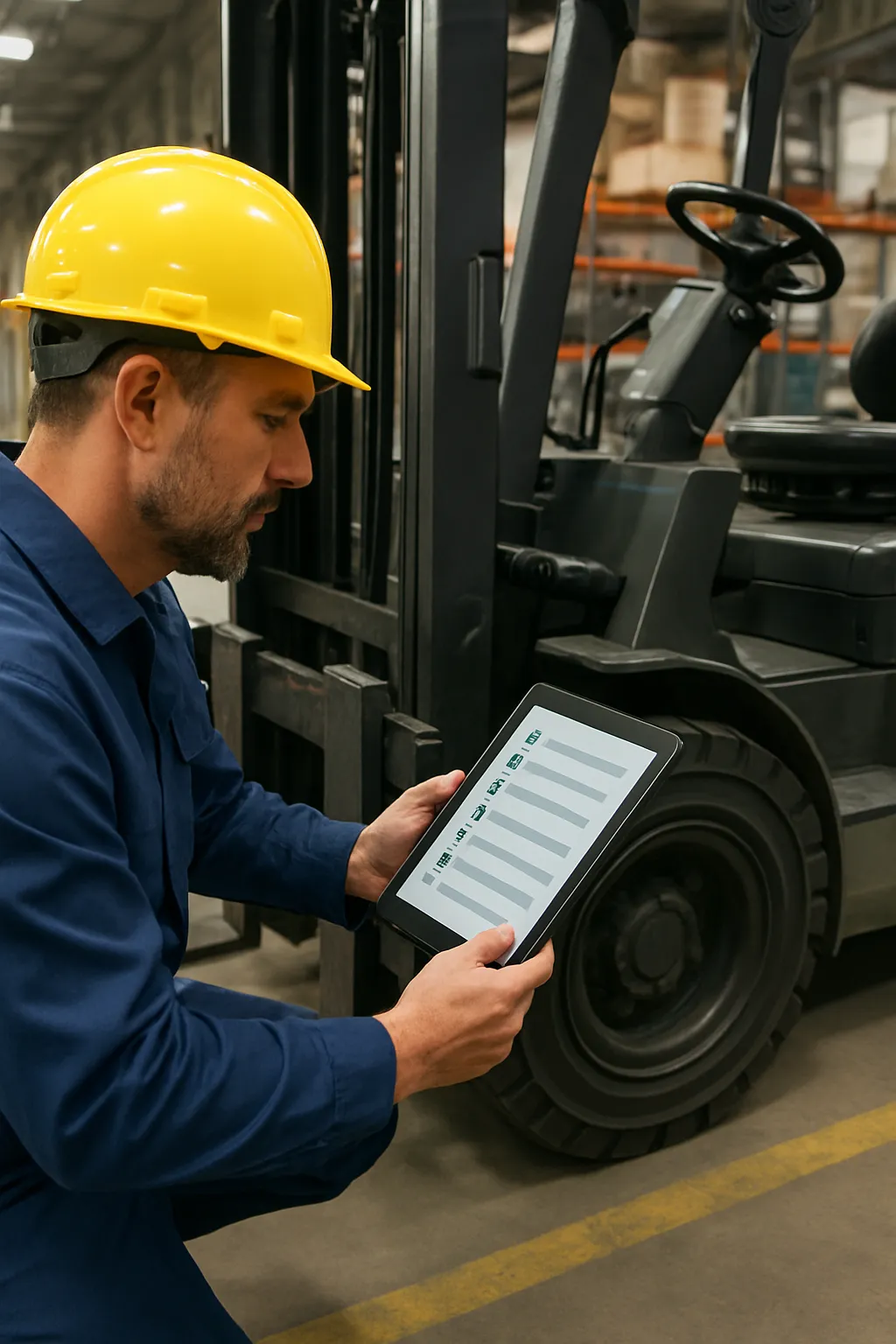

Both OSHA and CSA recognize the importance of pre-shift inspections.
Daily inspections typically include:
Proper documentation of these inspections supports preventive maintenance while reducing workplace risk.
Operator training should always match the equipment being used.
Organizations operating multiple forklift classes should ensure employees receive instruction specific to:
Cross-training without proper evaluation may expose employers to unnecessary liability.
Companies operating internationally often benefit from creating one standardized safety program.
A global safety framework should establish:
Local facilities can then adapt these procedures to meet provincial or state-specific legal requirements.
This approach simplifies internal audits while maintaining compliance across multiple jurisdictions.
Organizations entering the Canadian market should begin compliance planning before opening a new facility.
Important considerations include:
Working proactively helps avoid delays once operations begin.
Forklift incidents can result in significant financial consequences.
Strong compliance programs help reduce:
Well-documented safety programs also demonstrate due diligence if workplace incidents are investigated.
Although OSHA and CSA standards differ in structure, both share the same objective: protecting workers through effective training, safe equipment operation, and ongoing employer responsibility. Businesses operating across the Canada–U.S. border should develop standardized safety programs while adapting documentation and compliance procedures to meet each jurisdiction's legal requirements.
For fleet managers expanding into the Canadian market, staying informed about regional regulations is essential. For additional guidance on equipment selection, provincial licensing information, safety resources, and industry best practices, visit Canada's most complete forklift resource. It provides valuable information to help businesses build compliant, efficient, and safe forklift operations across Canada.