
Forklift classes matter because the type of truck changes the operating profile, the workplace hazards, and the training conversation. A team that understands the class structure has a much easier time planning adult operator coverage and documentation.
Use this article alongside the pages on training requirements, practical evaluation, and training records when the workplace needs a more complete picture.
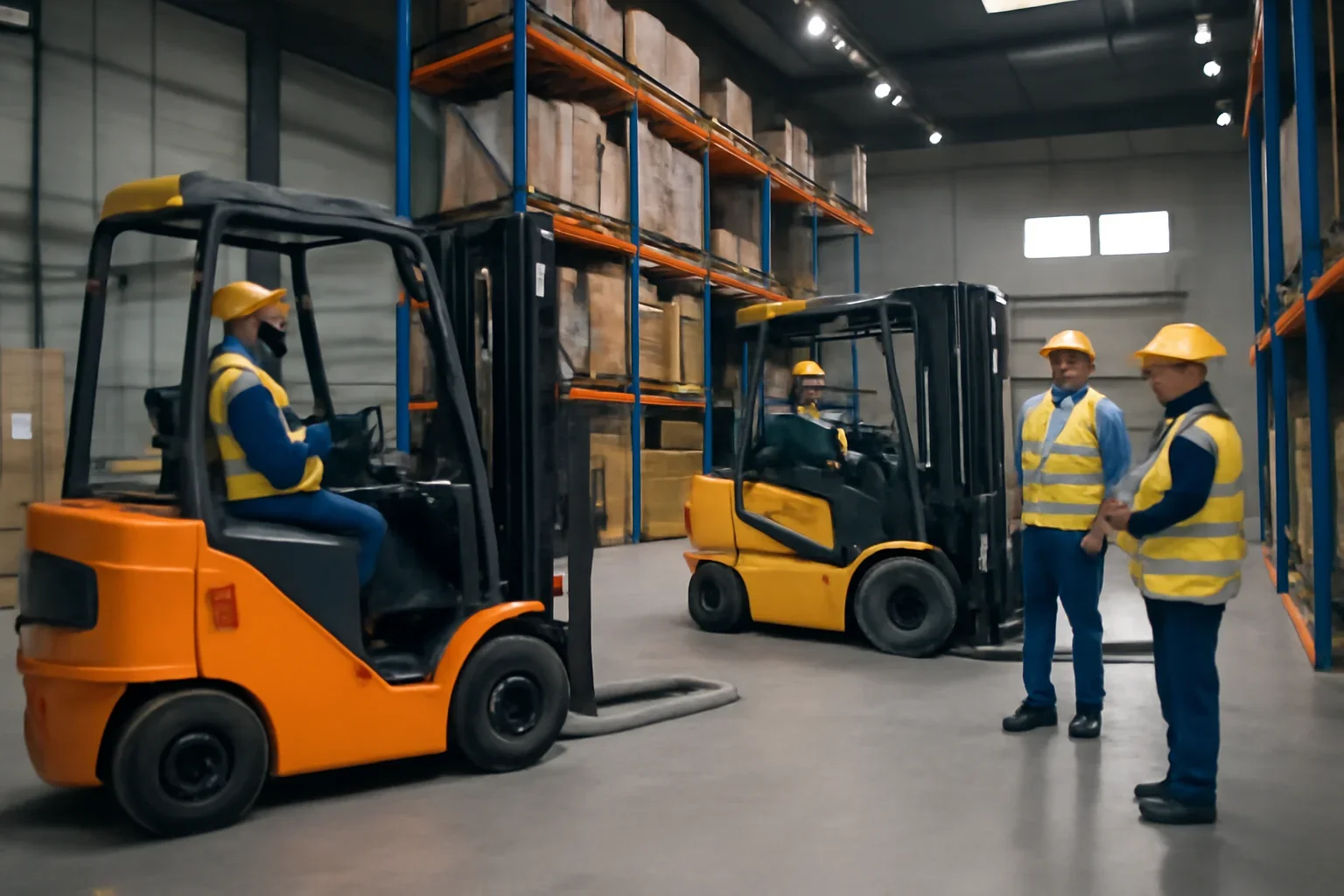

Class groupings help employers separate rider trucks, narrow aisle equipment, hand trucks, internal combustion trucks, and rough-terrain units so training does not stay vague.
Different classes create different visibility issues, surface considerations, load handling patterns, and operating environments. Those differences influence what supervisors and evaluators need to observe.
Records should make it easy to see which truck types were part of the training and evaluation process so no one assumes broad authorization from a narrow record.
Treat class guidance as a planning tool that points your team toward the trucks in use, the environment around them, and the evaluation process needed for adult operators at the site.
Tell us what equipment, site conditions, or documentation issue your team is working through and we will point you to the most relevant support page or article.